
Corrosion Protection for Steel Structures: How to Choose the Right Paint System
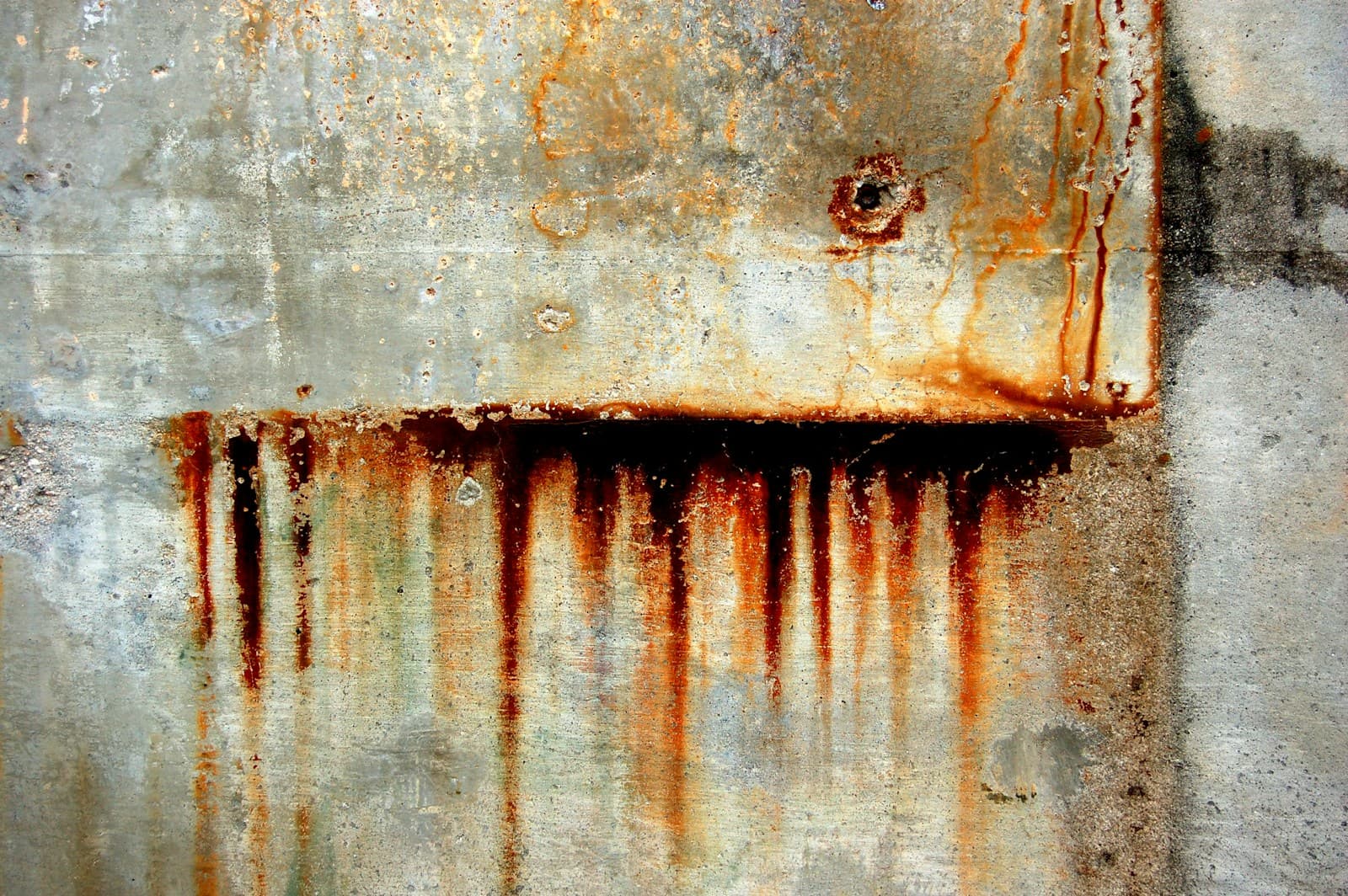
Steel rusts when it comes into contact with moisture, oxygen and salt. Corrosion does not only spoil the appearance; over time it also reduces the load-bearing capacity of the structure. For steel structures, paint is therefore not an aesthetic choice but a protection system.
Determine the corrosivity category of the environment
The international ISO 12944 standard classifies atmospheric environments by corrosion severity: from C1 (very low – heated interiors) and C2 (low – rural areas) to C3 (medium – urban and light industrial), C4 (high – industrial areas and coastal zones) and C5 (very high – heavy industry and marine atmosphere), and CX for the most extreme conditions. The system is chosen according to this category and the expected protection period.
The multi-coat system logic
A typical corrosion protection system consists of three layers: a primer that adheres to the steel and provides active protection (zinc-rich or zinc phosphate epoxy), a high-build epoxy intermediate coat that slows the passage of water and oxygen, and a polyurethane topcoat resistant to sunlight. In moderate environments, a synthetic (alkyd) anti-rust primer and topcoat offer an economical solution.
Film thickness matters
One of the most important factors determining the protection period of the system is the total dry film thickness. Applications below the recommended thickness lead to early rusting. The thickness of each coat should be measured during application.
Don't skip surface preparation
Even the best paint fails when applied to a rusty, oily surface. In harsh environments, blast cleaning to Sa 2½ is recommended; in milder conditions, mechanical cleaning (St 2 / St 3).
Tell us about the environment your structure is in and the protection period you expect, and together we will determine the right combination of primer, intermediate coat and topcoat.