
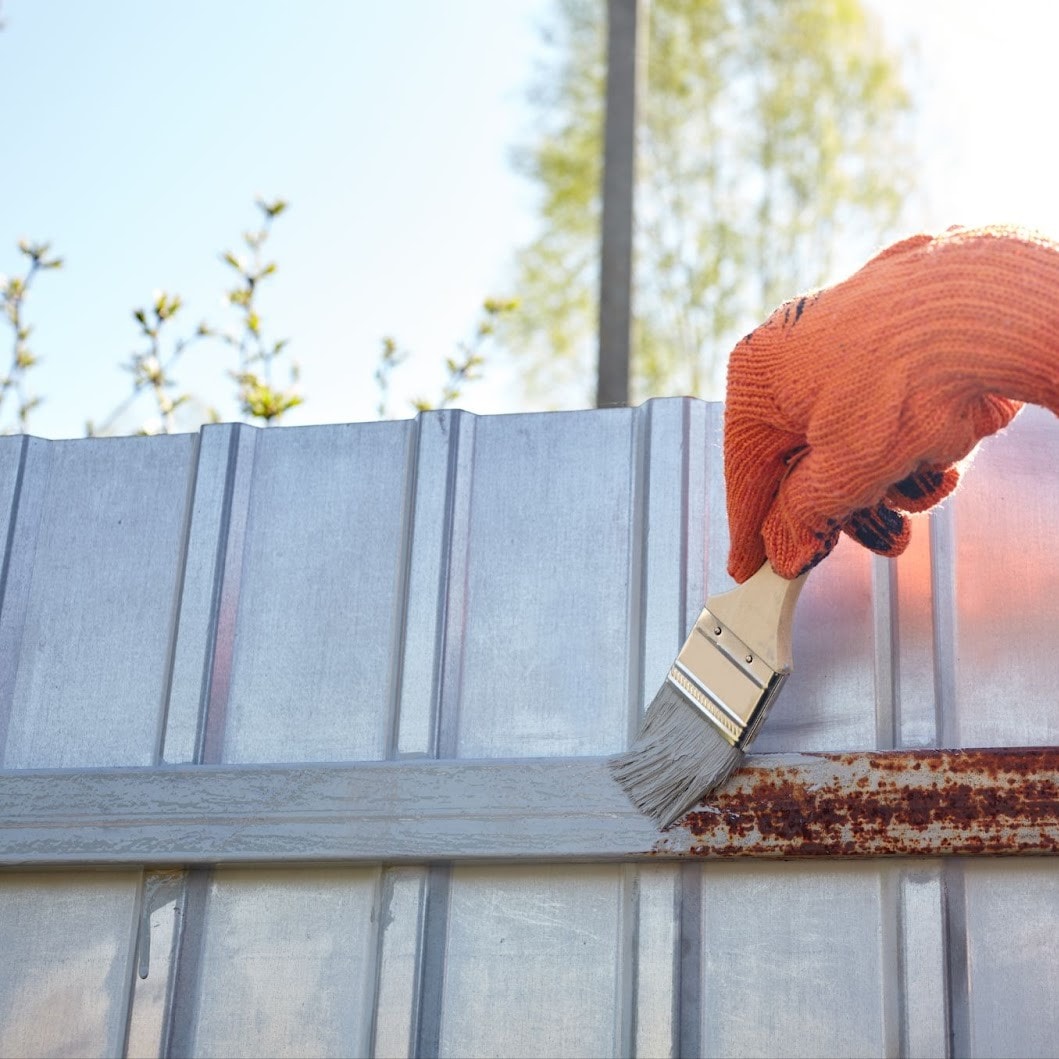
Zinc-Based Galvanizing Paint Group
Zinc-rich primers, cold galvanizing paints and systems suitable for galvanized surfaces that protect steel cathodically.
Base
Metallic zinc dust (epoxy / ethyl silicate / single-component)
Application
Brush, roller, airless spray, aerosol
Environment
Steel structures, galvanizing repair, harsh corrosive environments
What is the Zinc-Based Galvanizing Paint Group?
Zinc-based galvanizing paints are protective coatings that contain a high proportion of metallic zinc dust in the dry film. Because zinc is more reactive than steel, it sacrifices itself to protect the steel when corrosion occurs; this mechanism is called cathodic protection. As a result, even if the paint film is scratched or damaged, the exposed steel remains protected against rust for some time.
Products in this group include cold galvanizing paints that offer protection close to hot-dip galvanizing, epoxy and ethyl silicate zinc-rich primers that form the basis of multi-coat corrosion protection systems, and adhesion primers developed for painting galvanized surfaces. They are also a practical solution for local applications such as weld seams and galvanizing repair.
Key Features
- Cathodic (active) corrosion protection
- Continued protection at scratches and damaged areas
- Practical application for galvanizing repair
- Full compatibility with multi-coat systems
- Options suitable for harsh corrosive environments
- Fast-drying single-component cold galvanizing
Protection layer by layer
Zinc-Rich Primer
The base layer applied directly to blast-cleaned steel, providing cathodic protection thanks to zinc.
Intermediate Coat (Barrier)
In multi-coat systems, an epoxy intermediate coat over the zinc primer slows zinc depletion and extends system life.
Topcoat
A polyurethane topcoat is preferred outdoors for color and UV resistance; an epoxy topcoat indoors and in sheltered areas.
Where is it used?
The right start, a long life
- 01
Zinc-rich primers must be in direct contact with steel; the surface should preferably be blast-cleaned to Sa 2½ according to ISO 8501-1.
- 02
For local repairs and small areas, mechanical cleaning to at least St 3 should be carried out.
- 03
Oil and passivation residues on new galvanized surfaces must be removed, with light abrading if necessary.
What to watch out for during application
- 01
Because zinc dust settles, the paint must be stirred thoroughly before and throughout application.
- 02
Observe the recommended dry film thickness; excessively thick application can cause cracking.
- 03
Ethyl silicate primers need humidity to cure; wait for full cure before overcoating.
Mixing ratio, pot life and recoat intervals vary by product; the product's technical data sheet should always be used for exact values.
About the Zinc-Based Galvanizing Paint Group
Contact us to determine the right system for your project together.