
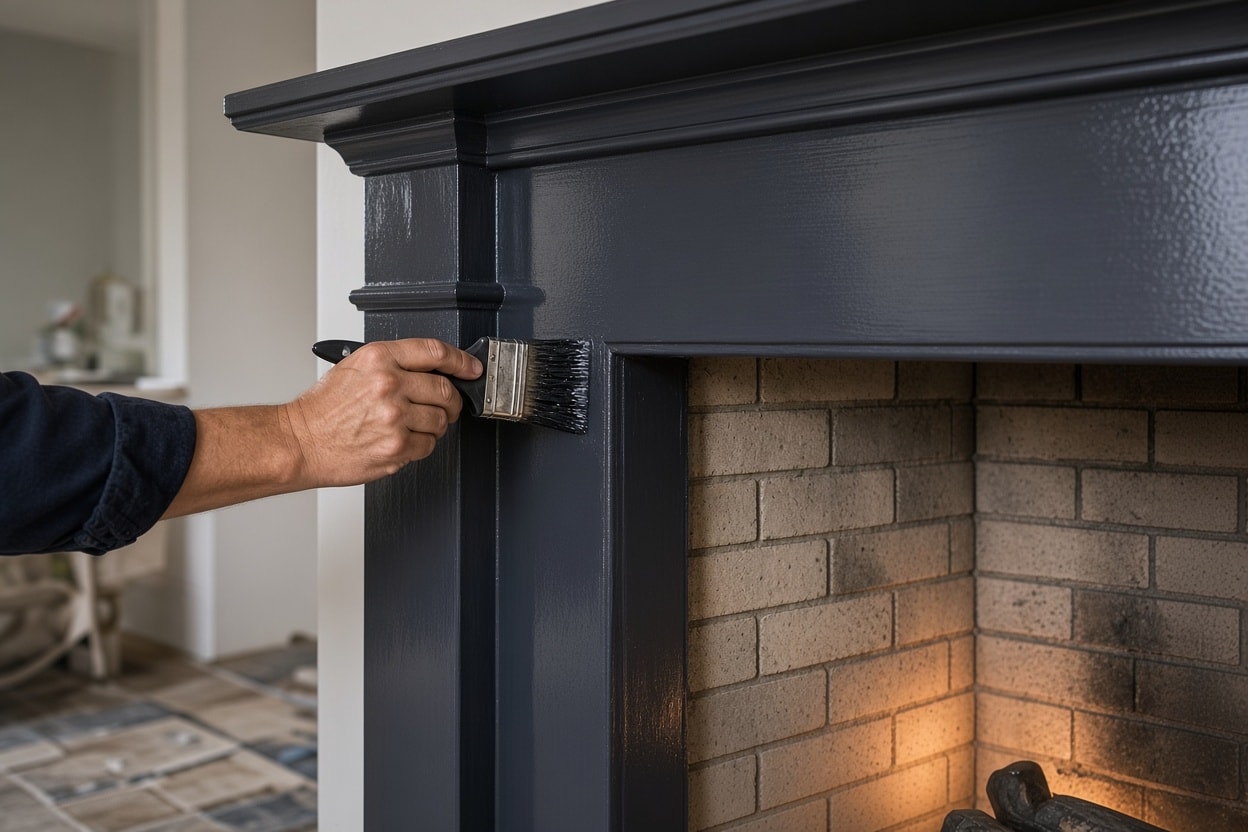
Heat-Resistant Special Protection and Coating Paints Group
Silicone-based heat-resistant paints and special protective coatings for metal surfaces exposed to high temperatures.
Base
Silicone and modified silicone resins
Application
Brush, spray, aerosol
Resistance
Approx. 200 °C – 600 °C and above, depending on product
What is the Heat-Resistant Special Protection and Coating Paints Group?
Heat-resistant paints are special coatings developed to protect surfaces exposed to high temperatures, such as chimneys, exhausts, ovens, boilers and hot pipelines, without discoloration, blistering or flaking. While standard paints soften, burn or detach above a certain temperature, these products are formulated to withstand thermal cycling.
Depending on temperature resistance, the group includes options such as alkyd-silicone, silicone resin and aluminum-pigmented systems. Most heat-resistant paints reach their final hardness when the surface is heated for the first time. The group also covers protective and coating paints developed for special conditions such as chemical exposure, abrasion or high temperature.
Key Features
- Color and adhesion stability at high temperatures
- Resistance to blistering and cracking under thermal cycling
- Products in different temperature classes
- Matte black, grey and aluminum color options
- Additional protection against corrosion
- Practical local application with aerosol cans
Protection layer by layer
Surface Preparation
A clean metal surface completely free of oil, rust and old paint, preferably blast-cleaned.
Heat-Resistant Primer (if required)
In some systems, a heat-resistant zinc-based or silicone primer is applied for corrosion protection.
Heat-Resistant Topcoat
A topcoat in black, grey, aluminum and other colors that retains color and adhesion at high temperatures.
Where is it used?
The right start, a long life
- 01
The surface must be completely free of oil, grease, rust and old paint; blast cleaning is recommended for the best result.
- 02
On previously painted surfaces, old paint that is not heat resistant must be removed completely.
- 03
Application should be carried out while the surface is cold and dry.
What to watch out for during application
- 01
Apply the paint in thin, even coats; thick coats can blister during heating.
- 02
After drying, the surface should be cured by gradual heating as recommended by the manufacturer.
- 03
Light smoke and odor may occur during the first heating; the area must be well ventilated.
Mixing ratio, pot life and recoat intervals vary by product; the product's technical data sheet should always be used for exact values.
About the Heat-Resistant Special Protection and Coating Paints Group
Contact us to determine the right system for your project together.