
The Step That Determines Paint Life: Surface Preparation
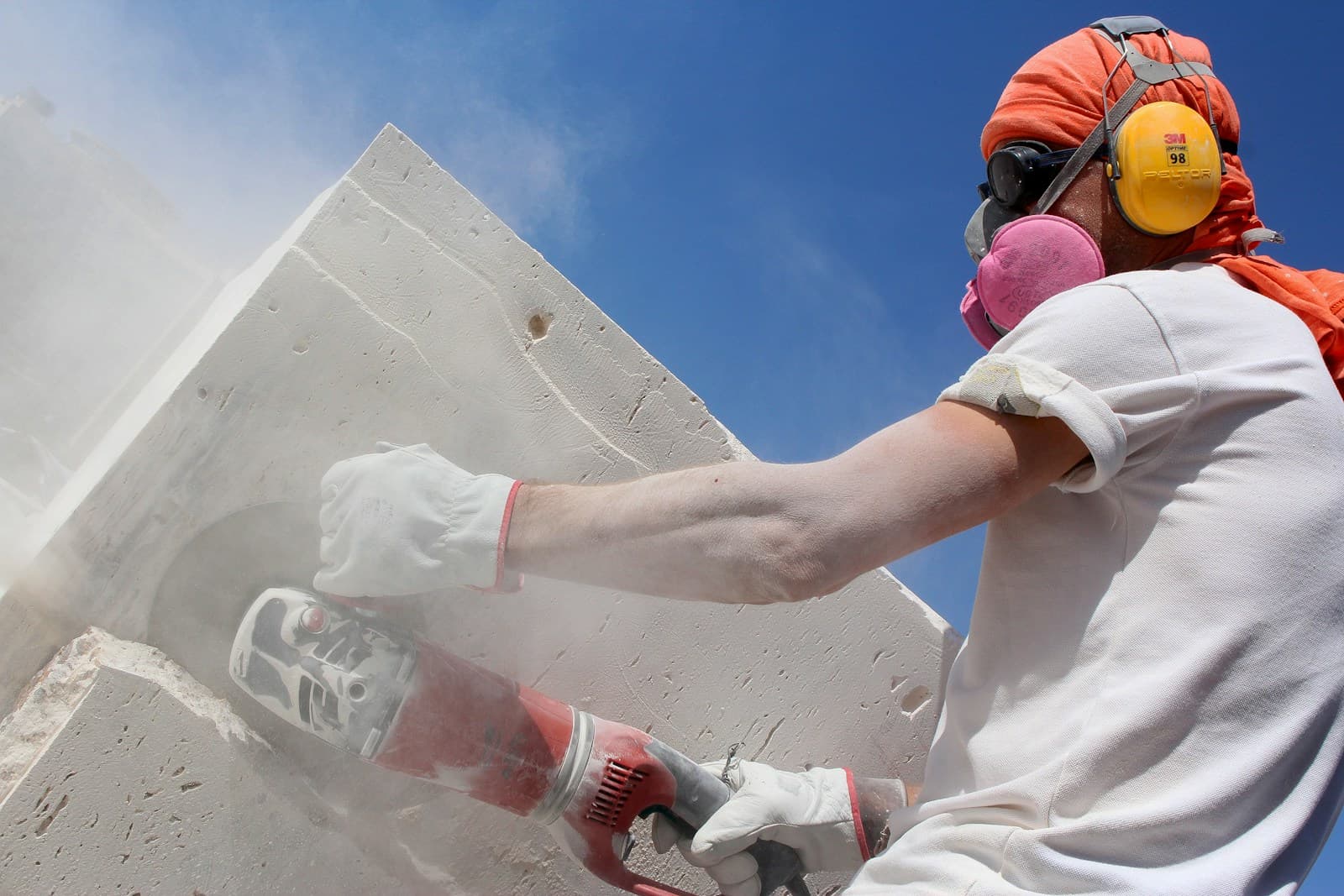
There is a well-known truth in the industry: surface preparation determines the performance of a paint system more than anything else. Most problems such as blistering, peeling and early rusting stem not from the quality of the paint but from the condition of the surface it is applied to.
On metal surfaces
The first step is to remove oil, grease and dirt with a suitable cleaner; otherwise subsequent cleaning operations will spread the oil across the surface. Rust and mill scale are then removed. The ISO 8501-1 standard grades this cleaning: cleaning with hand and power tools is classified as St 2 and St 3, while abrasive blast cleaning ranges from Sa 1 to Sa 3. In harsh corrosive environments and with two-component systems, Sa 2½ is generally targeted.
Blast cleaning not only removes rust but also gives the surface a roughness profile that helps the paint adhere. Because blast-cleaned steel can rust again quickly, priming should be done without delay.
On concrete surfaces
Concrete must be fully cured (generally at least 28 days), dry and sound. Weak laitance, oil stains and old coatings are removed by grinding or shot blasting. Cracks are repaired and the surface is vacuumed free of dust.
Galvanized steel and aluminum
Standard primers may not adhere well to these surfaces. Light abrading and special adhesion primers developed for these substrates should be used.
If you are not sure which preparation method is right for your surface, you can consult us before application.