
Temperature, Humidity and Dew Point: Weather Conditions in Paint Application
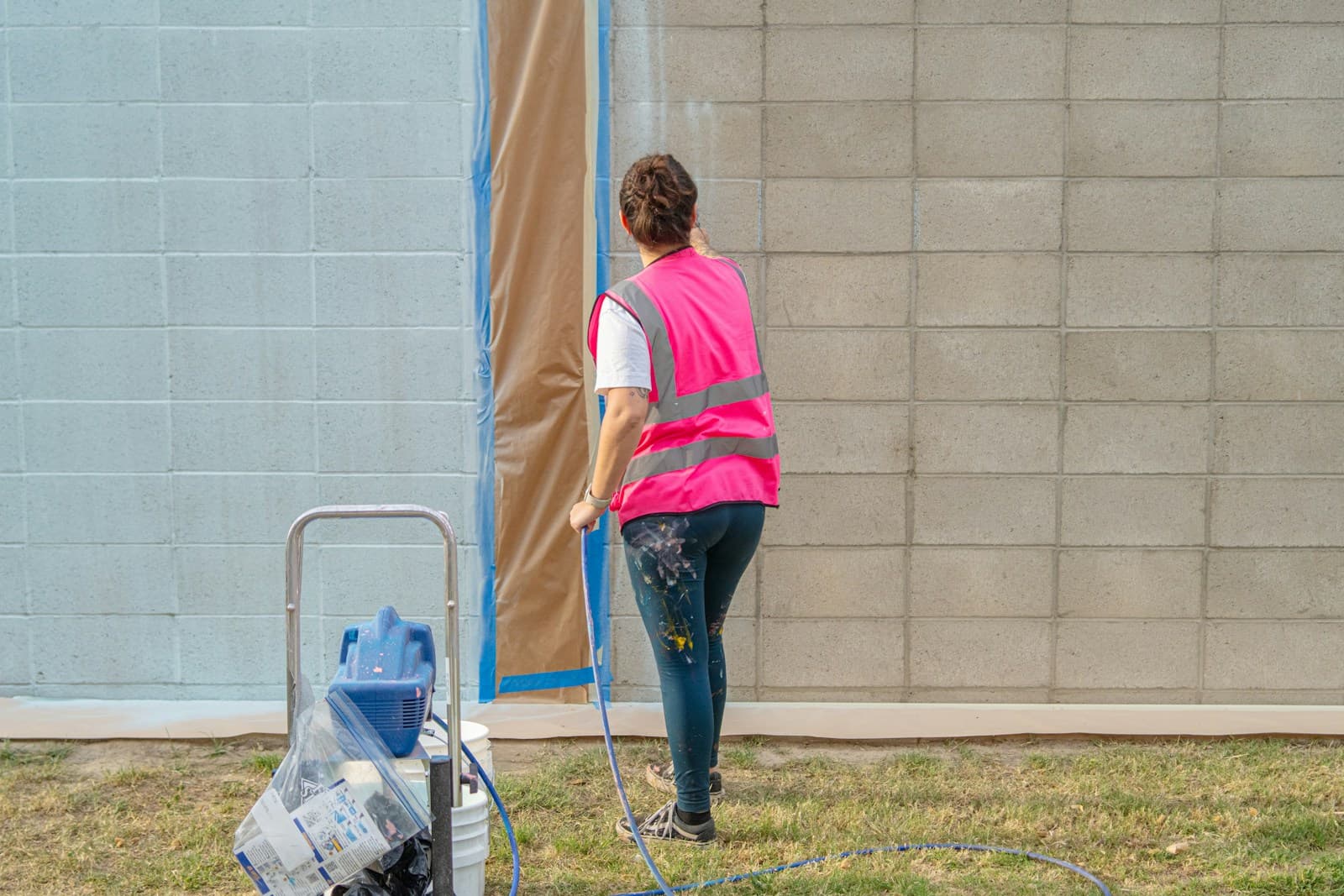
Proper drying and curing of paint depends directly on the weather and surface conditions at the time of application. Especially in exterior and industrial applications, three values must always be checked: temperature, relative humidity and dew point.
Temperature
Every product's technical data sheet specifies minimum and maximum application temperatures. In very cold weather, the curing of two-component paints slows down or stops; in very hot weather, the paint can dry too quickly and cause flow and adhesion problems. Not only the air but also the surface temperature should be measured: a steel plate in the sun can be much hotter than the air.
Relative humidity
High humidity can cause surface defects, especially in polyurethane systems containing isocyanates and in some epoxies. Application should not be carried out above the maximum relative humidity specified by the manufacturer.
The dew point rule
The dew point is the temperature at which moisture in the air begins to condense on the surface. Even an invisible thin film of moisture on the surface impairs paint adhesion. As a general rule, the surface temperature should be at least 3 °C above the dew point. This risk increases early in the morning and in the late afternoon.
Practical recommendations
Repeat measurements throughout the application, avoid exterior work in windy and dusty weather, and take the possibility of rain during the paint's initial drying stage into account.