
What to Consider When Choosing a Car Park Floor Coating
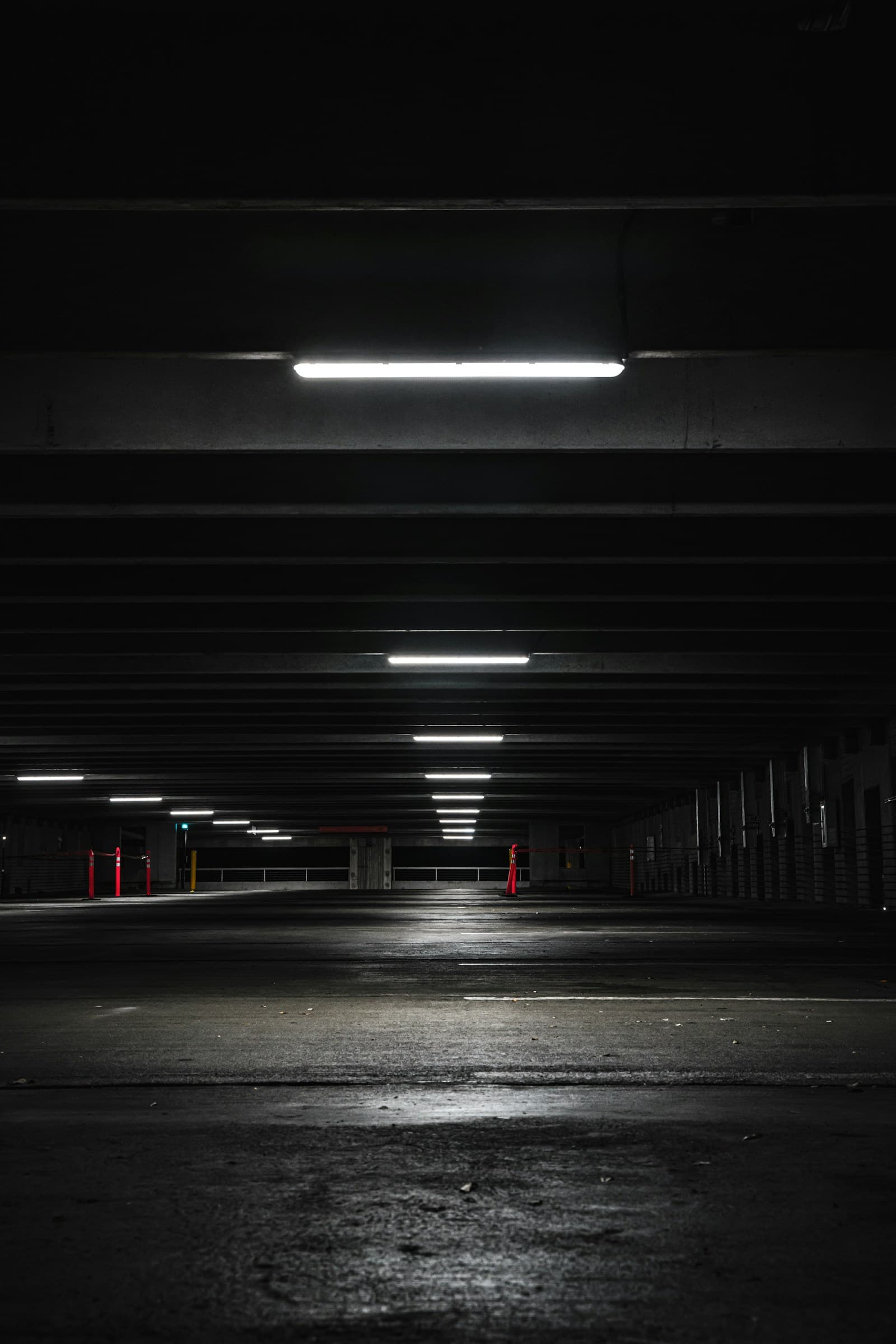
Car park floors are constantly exposed to vehicle traffic, tire abrasion, oil and fuel drips, and road salt in winter. Uncoated concrete dusts, stains and starts to deteriorate over time. The right floor coating both protects the concrete and makes the area look bright and orderly.
Covered or open?
On covered car park levels, epoxy-based systems are frequently preferred for their abrasion resistance, chemical resistance and economy. On top decks exposed to sun and rain, UV-resistant and flexible polyurethane-based systems are more suitable. Flexible systems that can accommodate crack movement in the concrete prevent water from penetrating the concrete, especially on open decks.
Slip resistance on ramps
Ramps and turning areas carry a risk of slipping, especially in rainy weather. In these areas, quartz sand is broadcast into the coating to create a rough, anti-slip surface.
Markings and order
Parking bay lines, directional arrows, pedestrian walkways and numbers ensure safe and efficient use of the area. Light-colored coatings reflect light and also reduce the need for lighting.
Time to return to service
Downtime matters in operating car parks. The coating must not be opened to vehicle traffic before it is fully cured; fast-curing systems and phased application can shorten the disruption.
Let's plan the right system together based on the size, level layout and intensity of use of your car park.